[Agenda from March 20, our eighth meeting.]
Dinner at Anna’s Apt (4:30pm, 3/20)
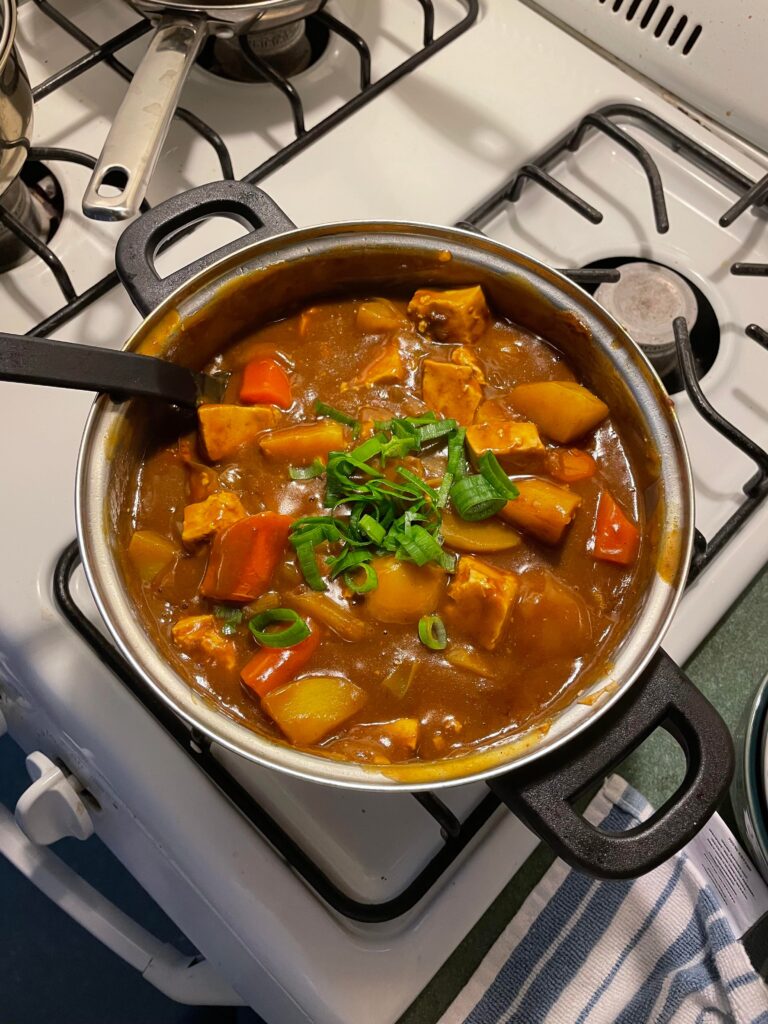
| *we’re trying something new this week, combining kiki time (dinner → Ashley’s Japanese curry) + show & tell! (children’s lit) |
Have prepared:
- Hungry tummy.
- Prepare graphic novel(s)/ children’s lit. ←
~ curating a canon of the {best} children’s APIA lit can be possible final project !! (current emc collection is looking very sad) ~
Suggested children’s lit are:
- Messy Roots by Laura Gao ← Edwin bought us three copies, please pass it around
- The Best We Could Do by Thi Bui ← available in print and e-book at Swarthmore Public Library
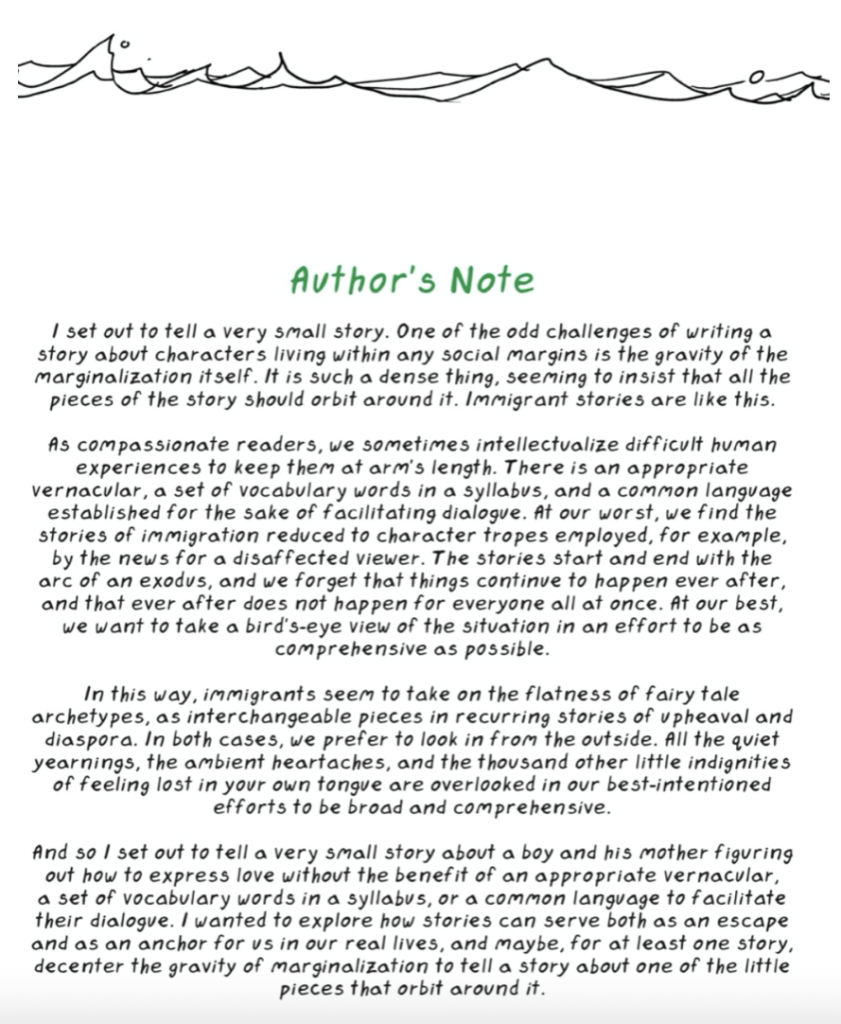
- The Magic Fish by Trung Le Nyugen ← available at Swarthmore Public Library (ebook + print), or Elisa’s physical copy from Bryn Mawr
- American Born Chinese by Gene Luen Yang ← available in emc in children’s lit shelf
- A Different Pond by Bao Phi ← available in the emc in ed18 shelf
- Smoky Night by Eve Bunting ← Anna will pass around copy during dinner
- Asian Americans Who Inspire Us by Analiza Quiroz Wolf
- [cheesy ya novel]
- Pls add others
What will happen when we meet?
- Some of us will help Ashley prepare food
- Others will chill out, get to know one another, listen + add to course spotify playlist
- We’ll talk about what we’ve read/ seen/ heard/ experienced, using the discussion questions below (in orange).
- We’ll close with some housekeeping points.
Discussion questions/ topics
- What does Asian American studies look like in the classroom? On the campus? In our communities?
- What are some recurring themes you noticed in the materials we prepped for today?
- Focus on specific narratives
- Who are we being represented by? What towards?
- How does exploring children’s literature/TV shows/movies (ie. how Disney “coincidentally” turns a lot of POC characters into animals) help inform our understanding of APIA education today?
- Disney is in their “ethnic era” ← to some degree necessary, but studios like Disney aren’t going to prioirtize storytelling over financial prospects
- Watching these movies makes us feel very nervous! (How will we be represented now…)
- Also why are so many of the same stories constantly being retold? ← we don’t want to see the same thing over and over again
- Why is it important to be informed about the kinds of resources that are available and accessible to general audiences?
- One of our members (I think Serena) said “Ethnic studies can be taught, but it depends on HOW it’s taught!” What does this mean to you?
- From lisa lowe reading (canonization)
- How do we understand?
- What is the right way to teach it?
- How does messy roots/ magic fish do for genre of comic books/ memoir?
- Rather than trying to break stereotypes (relateability) → aspirational
- Not that everyone can understand the experience, but everyone can feel something from it
- Magic Fish tries to tell one story
- Simple + indirect
- “I set out to tell a very small story”